

Seoul in Four Days: South Korea’s Dynamic Capital Uncovered
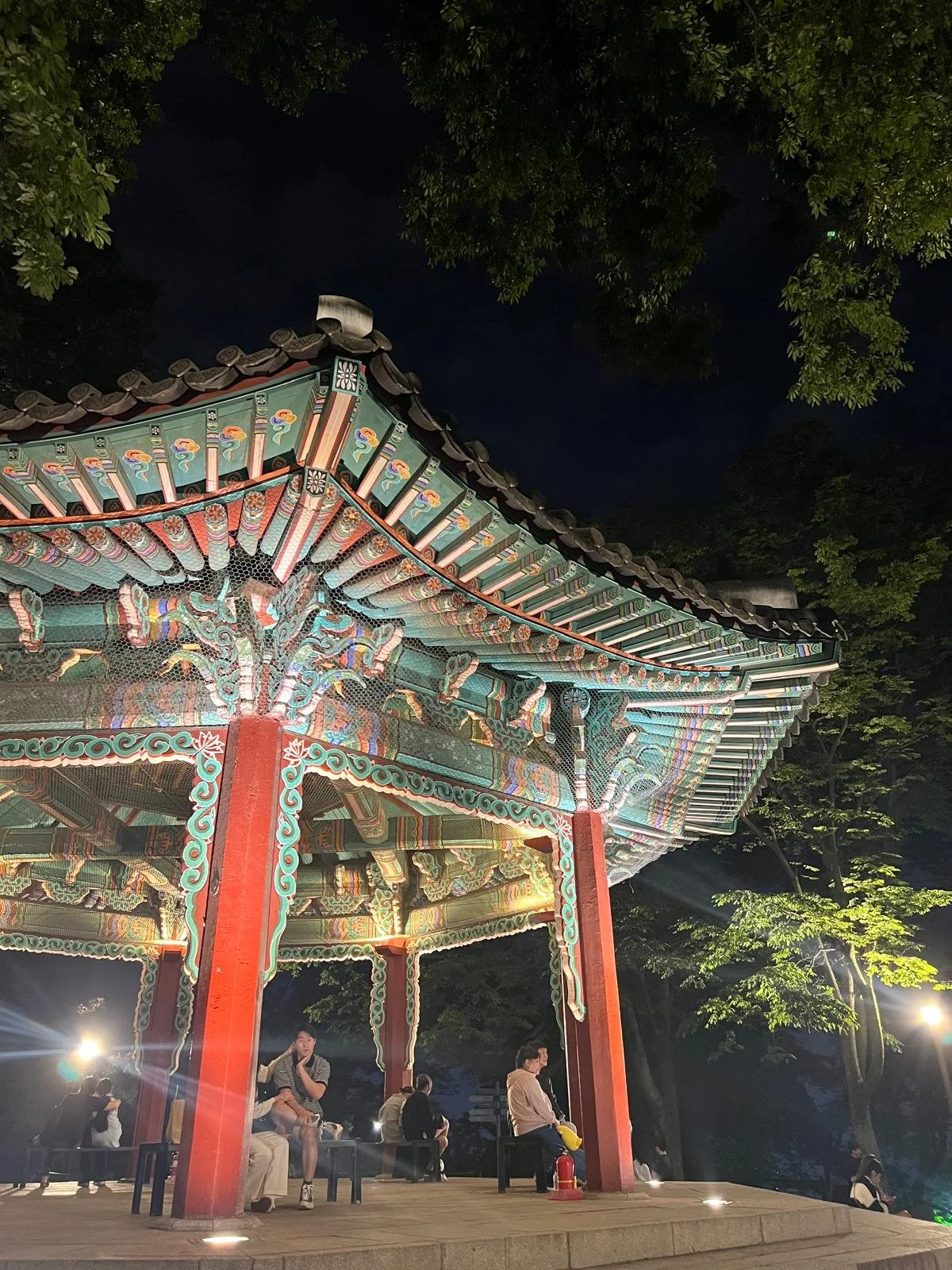
Relaxing in Namsan park
Some cities impress you with landmarks. Others captivate you with energy. My short journey through South Korea managed to do both, delivering an experience that was vibrant, culturally rich, and effortlessly memorable.
With just four days to explore, my itinerary focused on the dynamic capital of Seoul, a city where centuries-old palaces sit comfortably alongside futuristic skyscrapers, and peaceful mountain trails begin just minutes from buzzing urban districts.
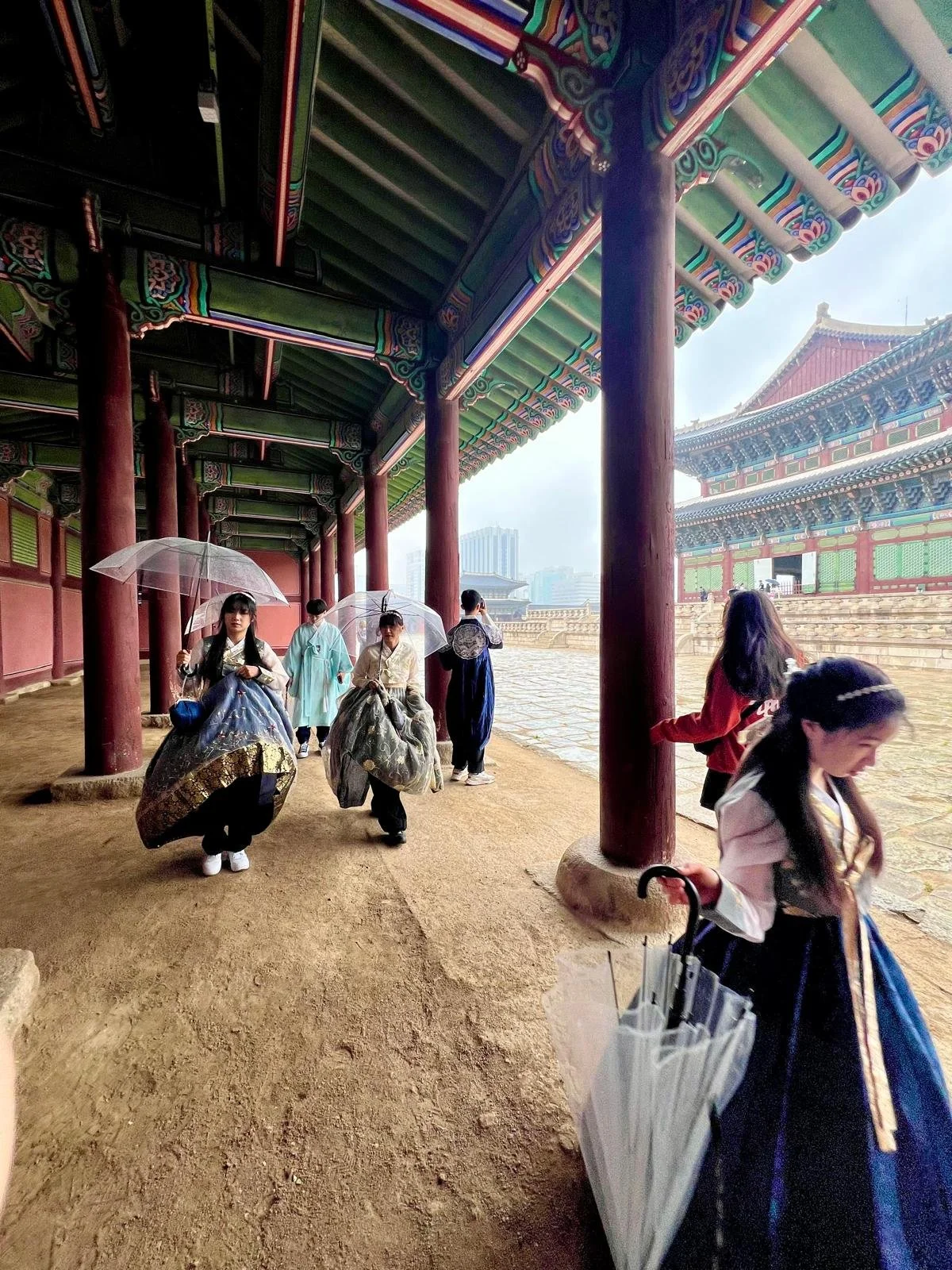
Gyeongbokgung Palace
Royal Heritage and Timeless Architecture
My first glimpse into Korea’s history came at Gyeongbokgung Palace, the largest and most iconic palace of the Joseon dynasty. Walking through its grand gates and tranquil courtyards felt like stepping into another era. The intricate wooden architecture and sweeping tiled roofs were beautifully framed by distant mountains, a reminder of how deeply nature and design intertwine in Korean culture.
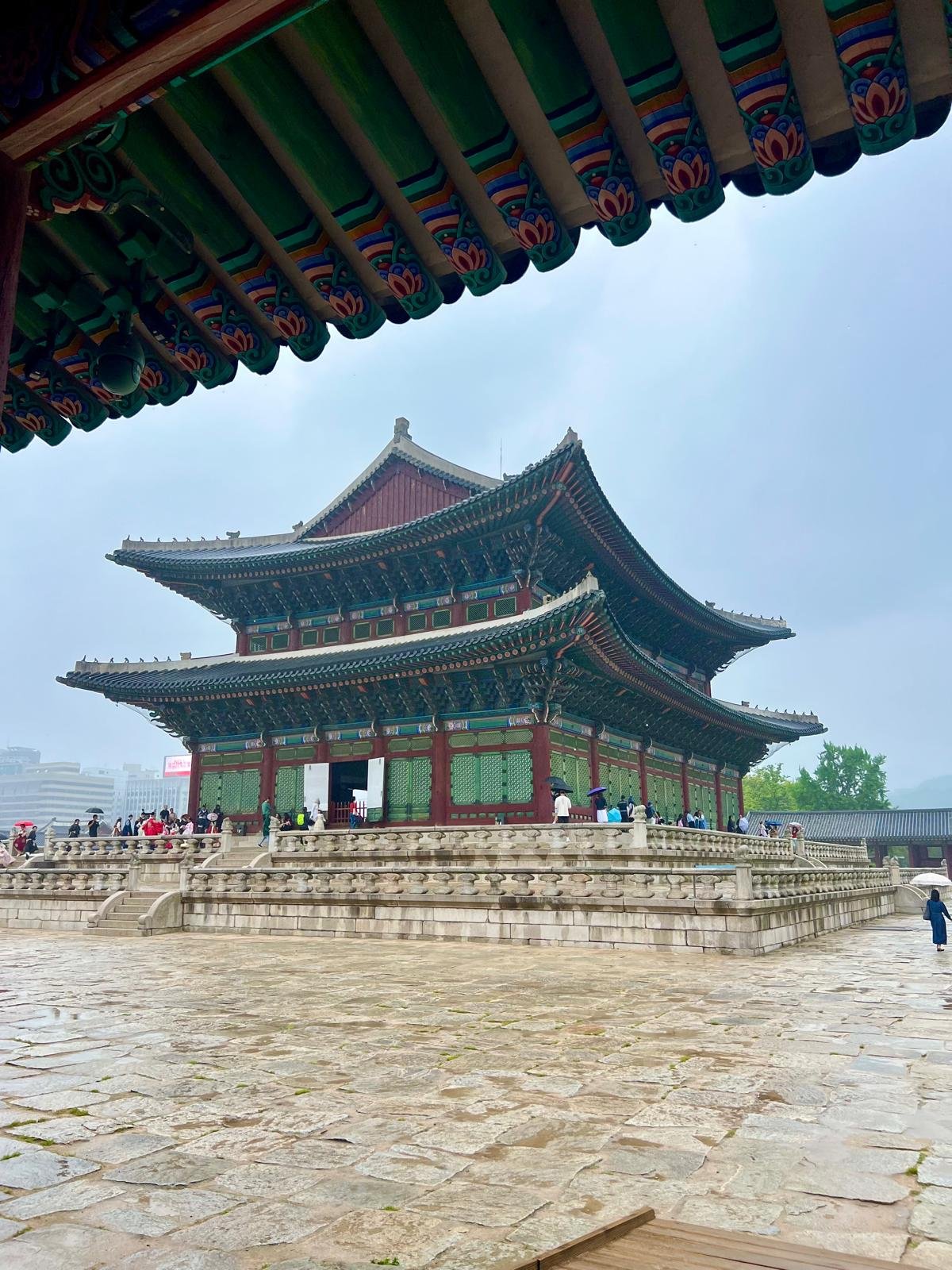
Gyeongbokgung Palace
Nearby, the preserved village of Bukchon Hanok Village revealed another layer of Seoul’s past. Narrow streets wind between traditional hanok houses, many of which are centuries old. It was one of those rare places where time seems to slow down, offering a quiet contrast to the city’s modern pace.
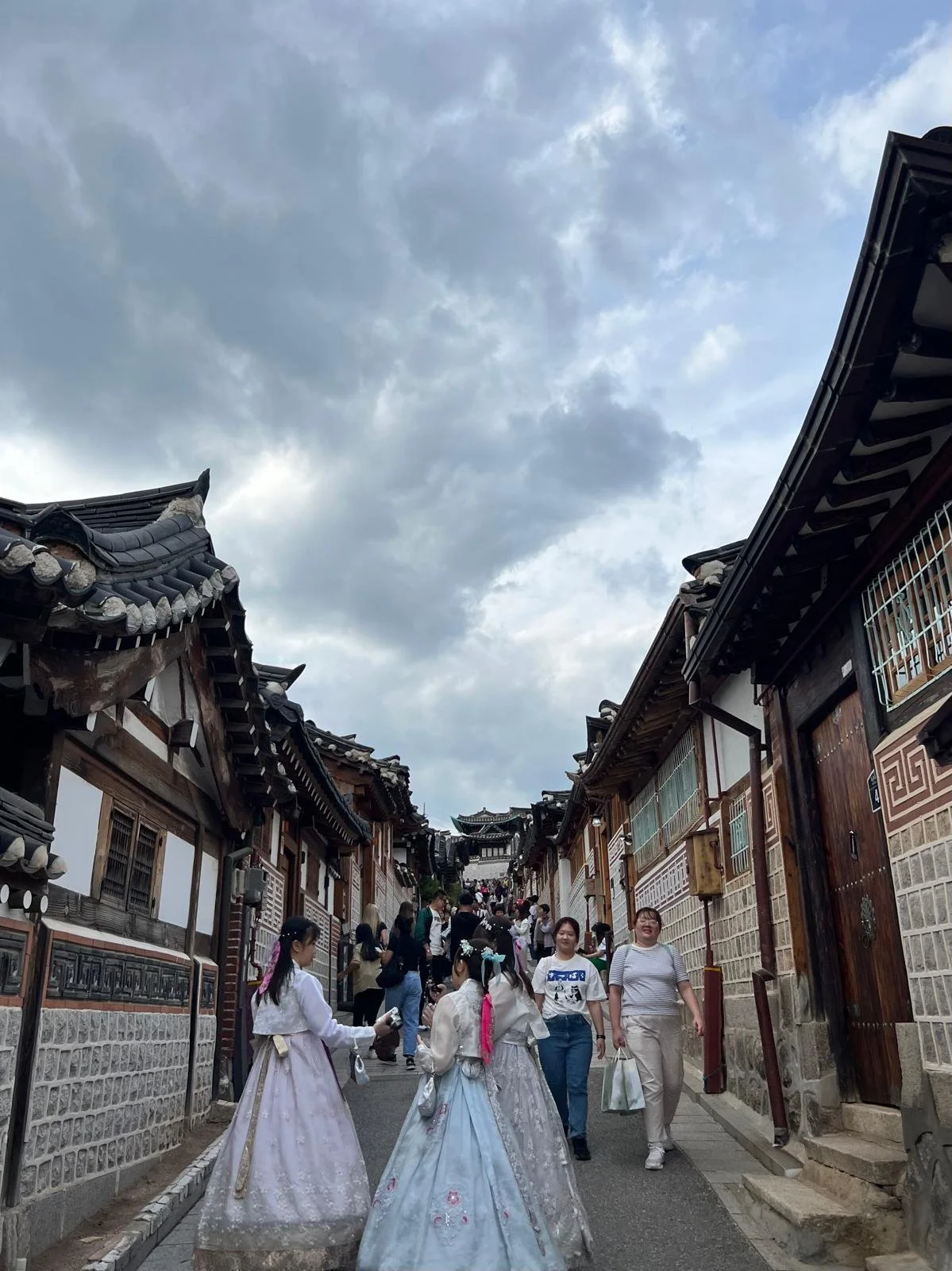
Bukchon Hanok Village
A City of Contrasts
What makes Seoul truly fascinating is its constant shift between tradition and innovation. One moment you’re exploring ancient royal grounds, the next you’re surrounded by towering glass architecture and neon lights.
Views from N Seoul Tower offered a breathtaking perspective of the sprawling metropolis, while the soaring heights of Lotte World Tower showcased Seoul’s ambitious modern skyline.
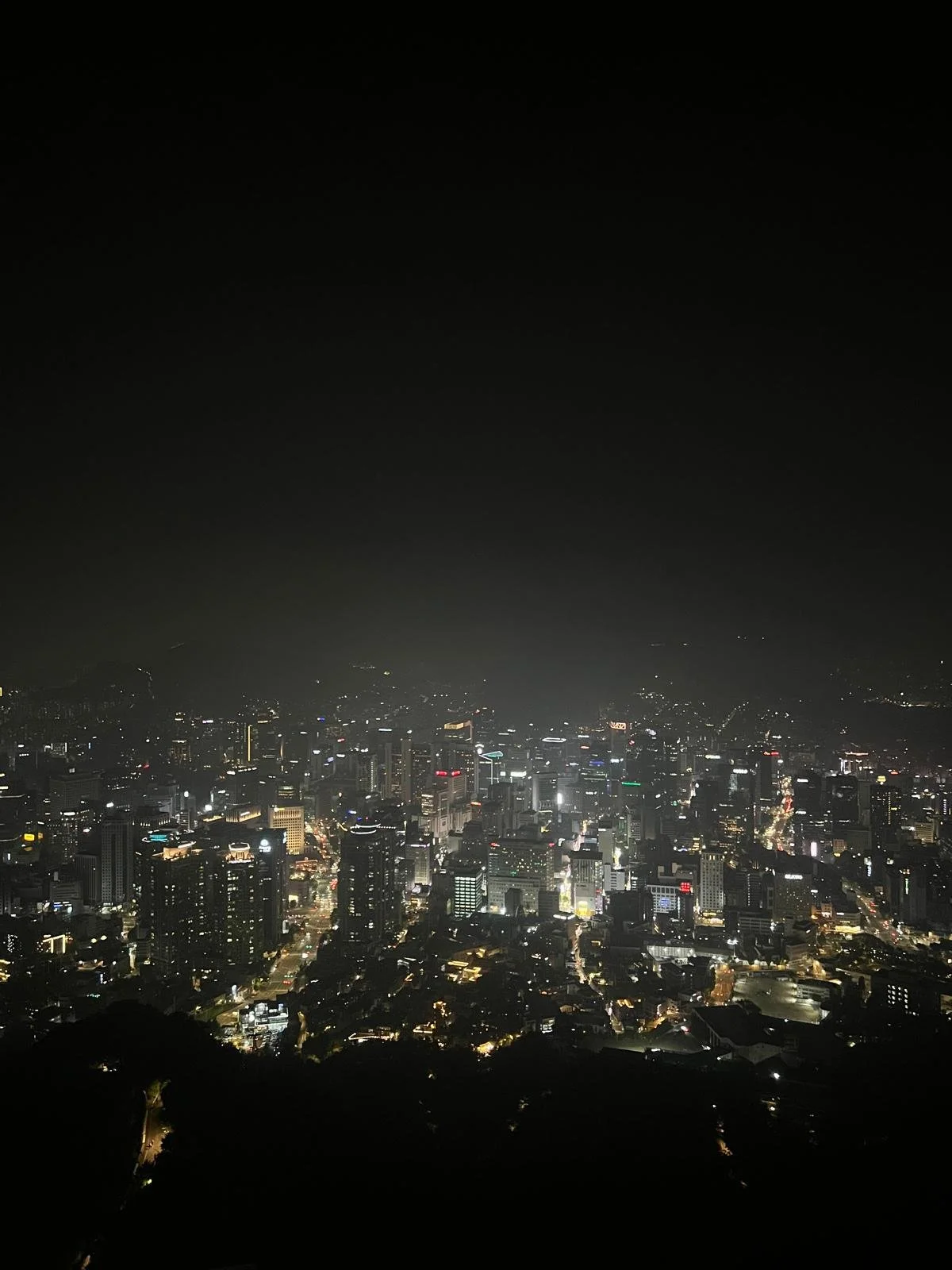
City skyline view from N Seoul tower
Each neighbourhood seemed to reveal a different personality. In Gangnam, famous worldwide thanks to pop culture, sleek shopping streets and luxury boutiques dominate the landscape. Meanwhile, the creative district of Hongdae pulses with youthful energy, street performances and independent cafés.
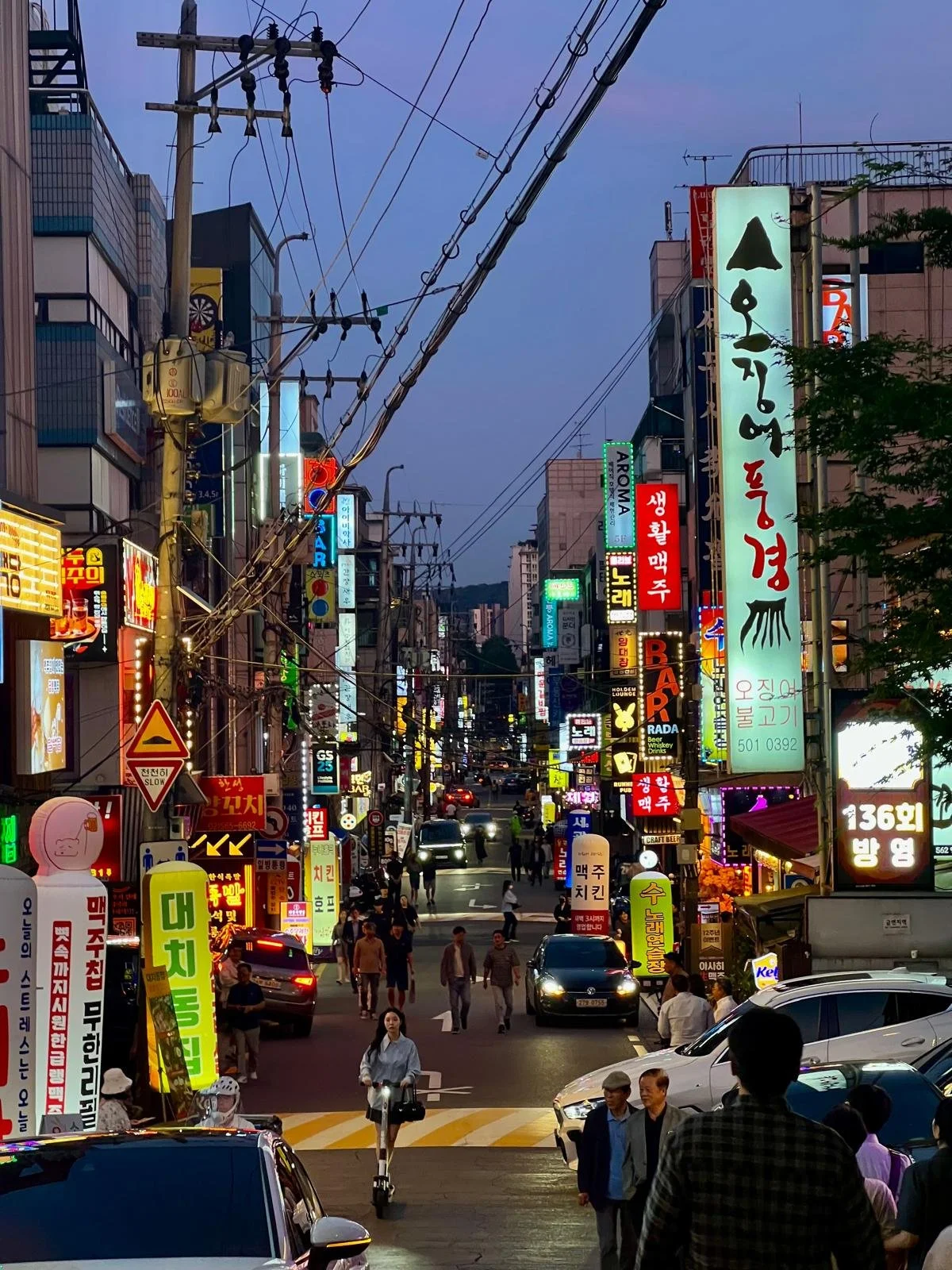
Exploring the district of Hongdae by night
The bustling markets and glowing storefronts of Myeongdong added yet another dimension, making it impossible not to be swept up in the city’s lively atmosphere.
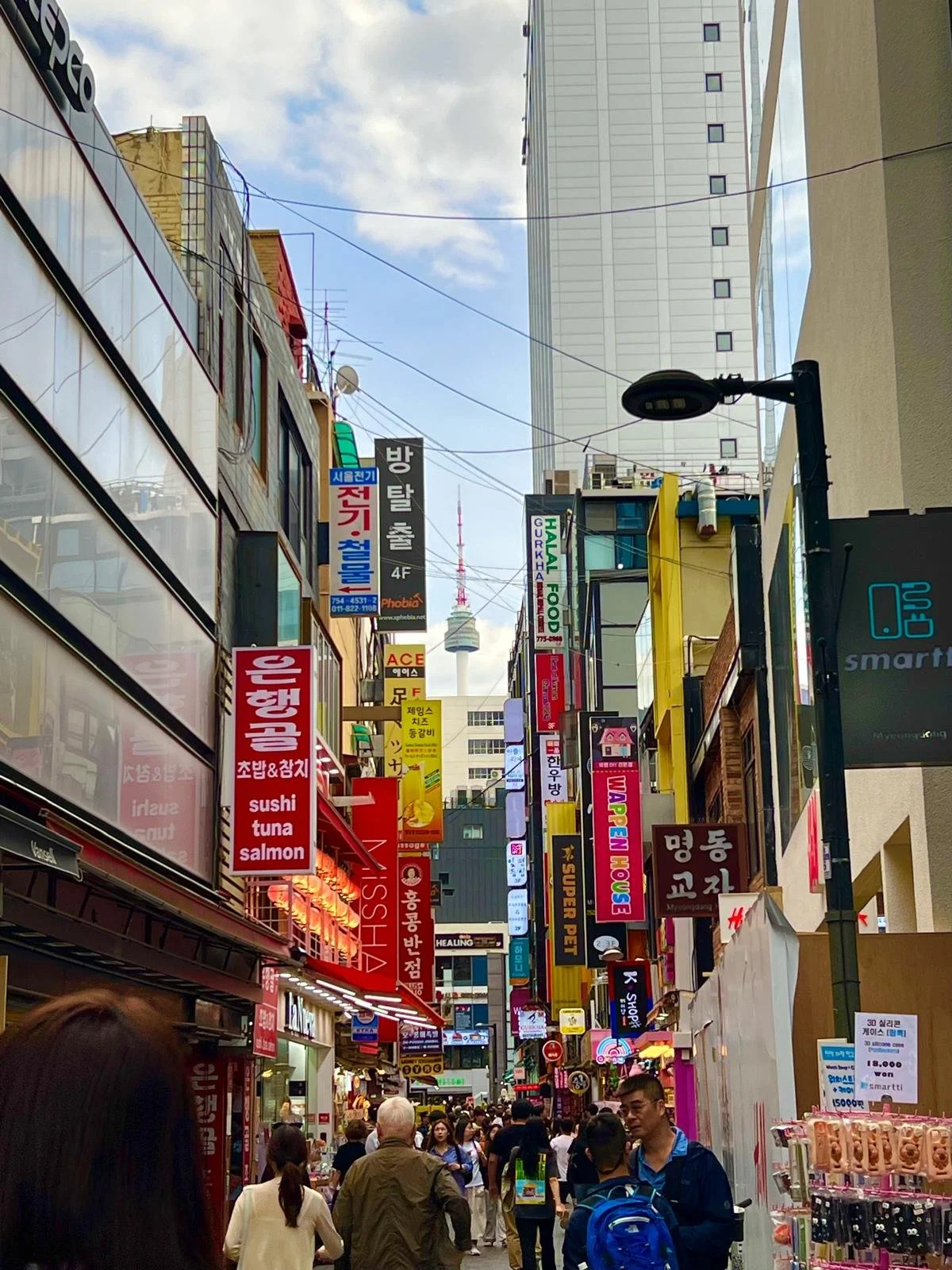
Downtown Myeongdong
Nature on the Edge of the City
One of Seoul’s most surprising qualities is how quickly the urban environment gives way to nature. A morning hike in Bukhansan National Park revealed dramatic granite peaks, forested trails, and panoramic views back across the city skyline.
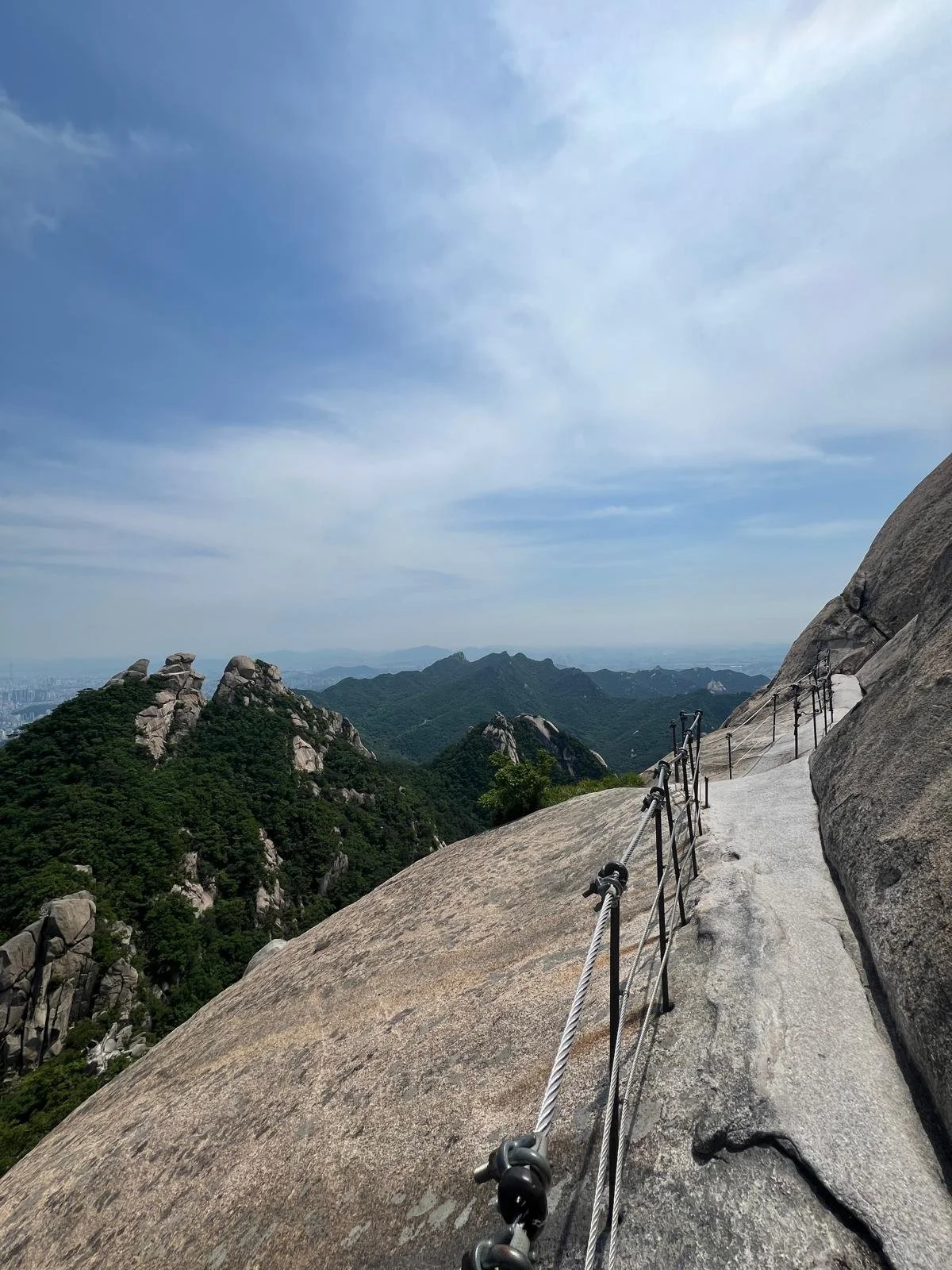
The top of the Bukhansan National Park hike
It’s rare to find a capital where such wild landscapes are so easily accessible — and it offered a refreshing pause from the fast pace of city life.
A Glimpse Across the Border
Perhaps the most thought-provoking experience of the trip was visiting the Korean Demilitarized Zone, often simply called the DMZ. Standing at one of the most heavily fortified borders in the world, just kilometres from North Korea, was both fascinating and deeply moving. For history buffs like myself, it was particularly compelling, the DMZ was established in 1953 following the Korean War armistice and stretches roughly 250 kilometres across the Korean Peninsula, acting as one of the most heavily fortified borders in the world.
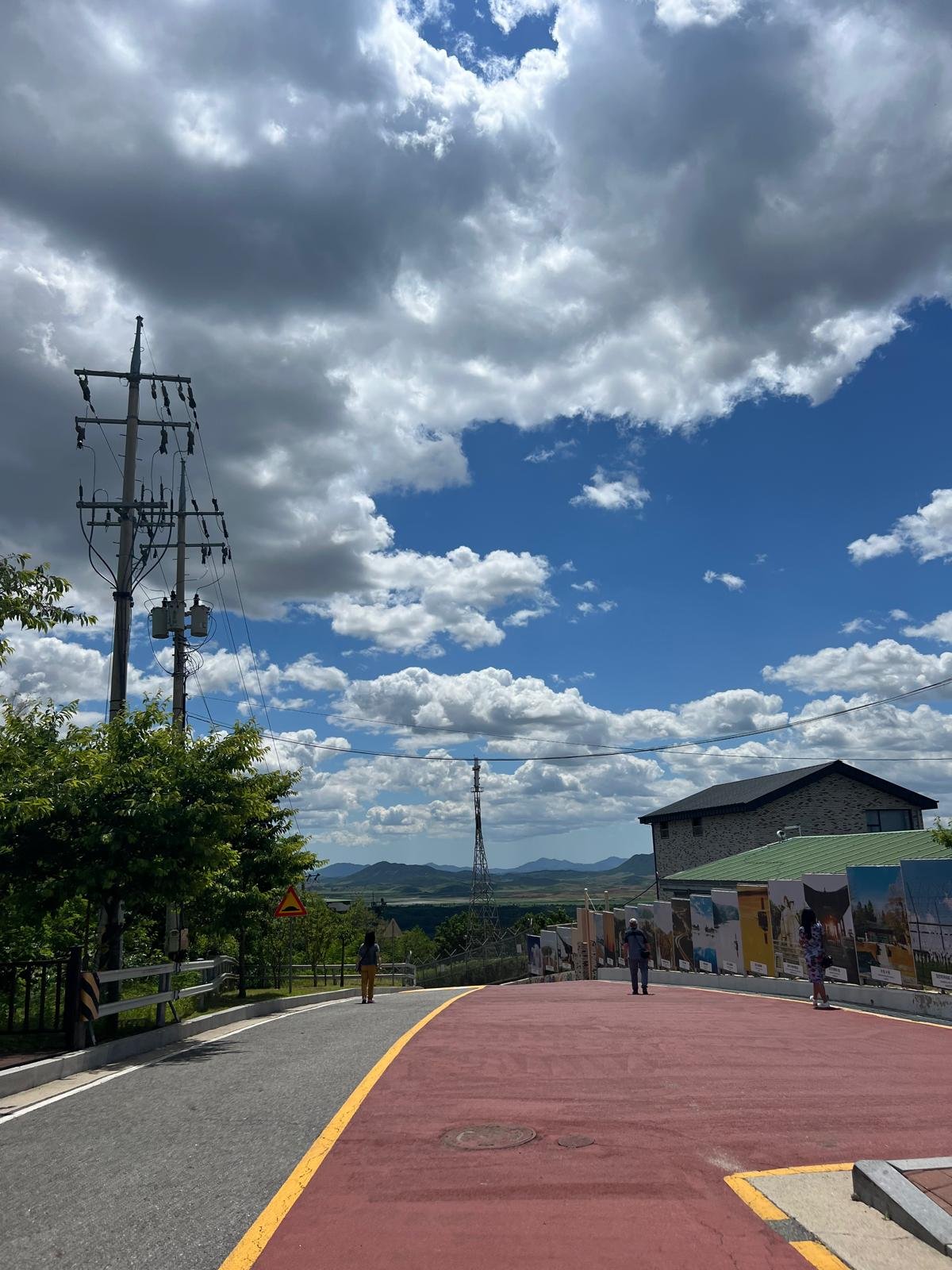
Korean Demilitarized Zone
The visit offered a rare perspective on the complex history of the Korean peninsula, a powerful reminder that travel is not only about discovery, but also understanding.
A City That Never Stops Surprising
Though my stay in Seoul was brief, the city left a lasting impression. It is a destination that blends elegance, creativity and history with remarkable ease.
From royal palaces and mountain landscapes to vibrant neighbourhoods and cultural insight, the journey felt perfectly curated, proof that even a short escape can deliver a truly extraordinary experience.
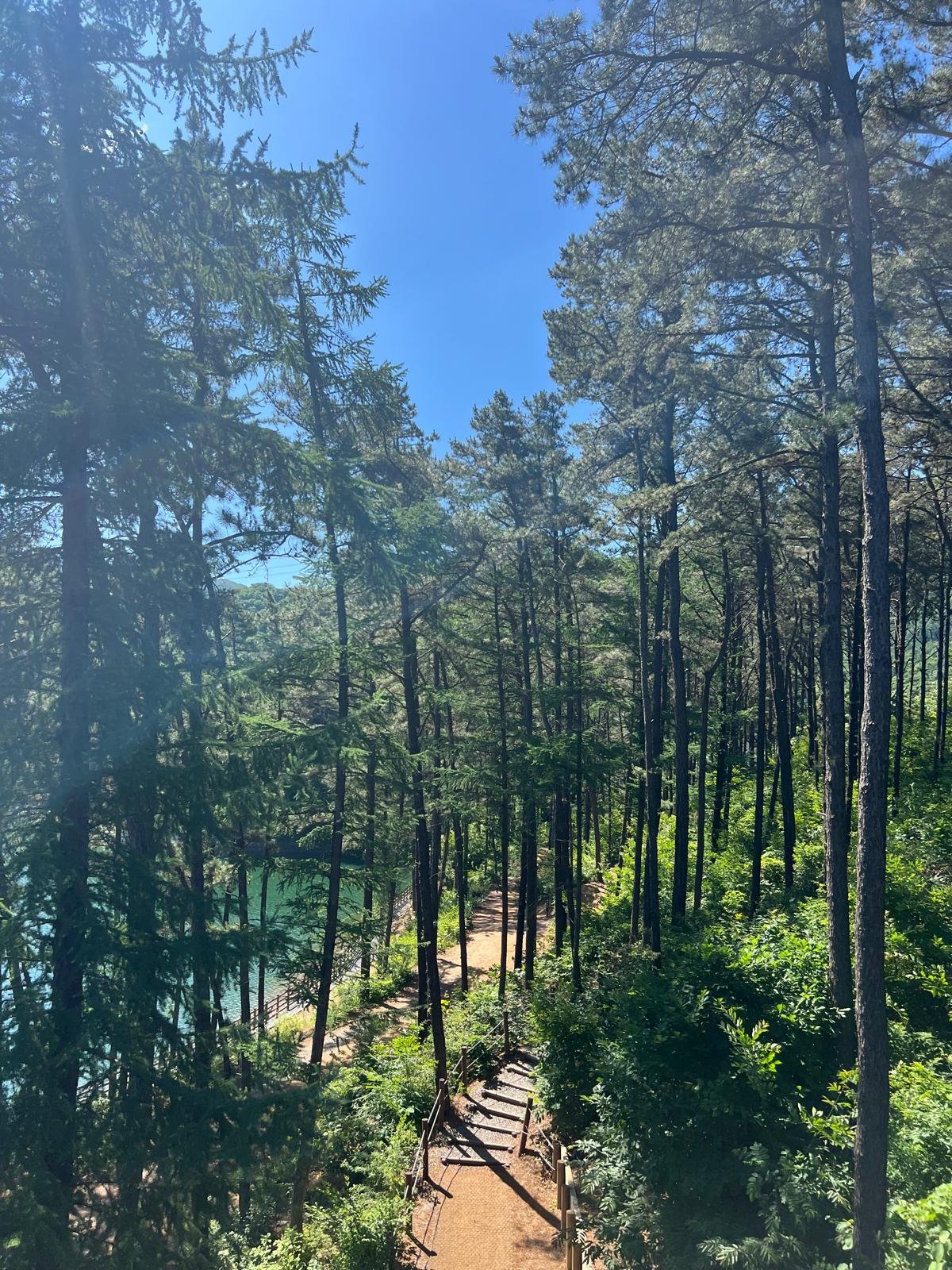
The breathtaking Majang Resevoir, Paju, Gyeonggi-do